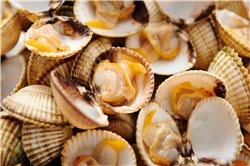
The sardine is a very common blue fish along the Spanish coast, rich in proteins and omega-3 fatty acids. Caught mainly in Málaga and Galicia, it is an important source of nutrients such as phosphorus and vitamins B12 and D. Its fat content varies according to the season of capture, constituting an excellent nutritional contribution to the daily diet.
Fresh sardine or sardine (also known as sardina) is a food found along the Spanish coast, especially abundant in regions like Málaga and Galicia. This blue fish is not only popular in various recipes but is also highly valued for its nutrient richness. It contains high levels of proteins of great biological value and is an excellent source of omega-3 fatty acids, which are essential for maintaining good cardiovascular health.
Sardines are mainly caught using purse seine and gill nets. This ensures the fish's freshness, essential for enjoying its flavor and properties. With a fat content that can reach up to 8%, sardines are also a rich source of minerals like phosphorus, which helps normal body function. In fact, a portion of sardines can cover 93% of the recommended daily intake for phosphorus in adults.
Sardines not only provide healthy fats but also a variety of B vitamins, highlighting B12, riboflavin, B6, and niacin, as well as being a great source of vitamin D. The latter is crucial for calcium and phosphorus absorption, thus contributing to bone health.
For all these reasons, consuming sardines is recommended as part of a balanced diet, providing significant health benefits through their nutritional properties. Enjoy them fresh on the grill, canned, or in stews, and take advantage of all their benefits. While information about their capture process and freshness is important, always make sure to purchase sardines from reliable sources.
The product information has been processed automatically, so it may contain errors. In case of doubt, please
contact us.


 ¡ Buying this product you get {{calculatedProductMenttos()}} menttos !