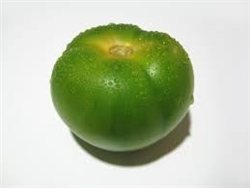
Origin: VILLENA Variety: PABLO F1 Caliber: 50/75 MM 0.400-0.500 grs Category: 1 Weight per piece: 0.250 Kg The price per kg is: €3.31
The table beet (also known as garden beet, blood turnip, or red beet) is a popular vegetable in home gardens across the United States. The leaves (tops) of the beet are an excellent source of vitamin A, and the roots (beets) are a good source of vitamin C.
The leaves are cooked and served fresh as greens, while the roots or bulbs can be pickled for salads or cooked whole, to be sliced or diced afterward.
The beet belongs to the family of Amaranthaceae and requires a temperate coastal climate or saline soil to grow without issues.
Properties / Health of Beets
Varieties / Season of Beets
Beet Recipes
Beets are particularly rich in folate. Folate and folic acid have been found to prevent neural tube (nervous system) birth defects and help against heart disease and anemia.
Beets are also high in both soluble and insoluble fiber.
Insoluble fiber helps keep your digestive tract working well, while soluble fiber helps control your blood sugar and cholesterol levels.
(1 cup of cooked and sliced beets)
Calories 31 Protein 1.5 grams Carbohydrates 8.5 grams Dietary Fiber 1.5 grams Potassium 259 milligrams Phosphorus 32 milligrams Folate 53.2 mcg Vitamin A 58.5 International Units
Beets can be harvested at any stage of development, from thinning to full maturity, with a diameter of about 2 inches. Thinned beets are those that have been pulled from the ground early to make space for others when the rows (beds) are overcrowded. Thinned beets can be eaten raw, including the leaves in salads or roasted. Beets are high in natural sugar, and when roasted, they reduce the amount of natural sugar.
Beets vary in color and shape depending on the variety. The most common beet is round and red. There is an Italian variety that has pink and white rings when sliced. The Golden Globe is round and orange but turns golden (golden yellow) when cooked. Another variety is white and another pink, etc.
Beets larger than 3 inches in diameter are often fibrous and woody. Beet greens are highly nutritious but should be prepared separately. When stored, beet greens absorb moisture from the beet, reducing their flavor, and the beets become dehydrated. Leave an inch of stems on the beet and do not damage the bulb to retain moisture and nutrients. After cutting the leaves, beets can be well stored for a week in plastic bags with holes in the refrigerator. Consume beets while they are still firm and fresh.
Best time: Available as early as February, their best season is the months of March, April, and May. The ones from these last two months are the sweetest and most flavorful.
Buying tips: When buying beets, we should ensure they are not dull or wilted. They should be smooth and shiny, as should the tops. Storage: It is advisable to keep them inside the purchase trays with the 'film' closed to reduce dehydration. They should be placed in the upper part of the refrigerator (between 2 and 4º).
Wash the beets carefully without breaking the skin. Breaks and cuts allow the color and nutritional value to escape. After cooking them, the skin of the beet can be easily removed by rubbing it. Beets are famous for their strong red pigment that stains towels, wooden cutting boards, and sinks. Don’t worry about your hands; table salt easily removes stains from the skin.
There are many recommendations and ideas for cooking beets. They can be microwaved, steamed, boiled, pickled, roasted, or eaten raw. Because beets contain more natural sugar than starch, they are very delicious when roasted in a hot oven. Roasting beets helps concentrate the sugar rather than turning it into liquid when cooked.
Beets of different sizes and colors cook for
Translated automatically
More information
Origin: VILLENA Variety: PABLO F1 Caliber: 50/75 MM 0.400-0.500 grs Category: 1 Weight per piece: 0.250 Kg The price per kg is: €3.31
The table beet (also known as garden beet, blood turnip, or red beet) is a popular vegetable in home gardens across the United States. The leaves (tops) of the beet are an excellent source of vitamin A, and the roots (beets) are a good source of vitamin C.
The leaves are cooked and served fresh as greens, while the roots or bulbs can be pickled for salads or cooked whole, to be sliced or diced afterward.
The beet belongs to the family of Amaranthaceae and requires a temperate coastal climate or saline soil to grow without issues.
Properties / Health of Beets
Varieties / Season of Beets
Beet Recipes
Beets are particularly rich in folate. Folate and folic acid have been found to prevent neural tube (nervous system) birth defects and help against heart disease and anemia.
Beets are also high in both soluble and insoluble fiber.
Insoluble fiber helps keep your digestive tract working well, while soluble fiber helps control your blood sugar and cholesterol levels.
(1 cup of cooked and sliced beets)
Calories 31 Protein 1.5 grams Carbohydrates 8.5 grams Dietary Fiber 1.5 grams Potassium 259 milligrams Phosphorus 32 milligrams Folate 53.2 mcg Vitamin A 58.5 International Units
Beets can be harvested at any stage of development, from thinning to full maturity, with a diameter of about 2 inches. Thinned beets are those that have been pulled from the ground early to make space for others when the rows (beds) are overcrowded. Thinned beets can be eaten raw, including the leaves in salads or roasted. Beets are high in natural sugar, and when roasted, they reduce the amount of natural sugar.
Beets vary in color and shape depending on the variety. The most common beet is round and red. There is an Italian variety that has pink and white rings when sliced. The Golden Globe is round and orange but turns golden (golden yellow) when cooked. Another variety is white and another pink, etc.
Beets larger than 3 inches in diameter are often fibrous and woody. Beet greens are highly nutritious but should be prepared separately. When stored, beet greens absorb moisture from the beet, reducing their flavor, and the beets become dehydrated. Leave an inch of stems on the beet and do not damage the bulb to retain moisture and nutrients. After cutting the leaves, beets can be well stored for a week in plastic bags with holes in the refrigerator. Consume beets while they are still firm and fresh.
Best time: Available as early as February, their best season is the months of March, April, and May. The ones from these last two months are the sweetest and most flavorful.
Buying tips: When buying beets, we should ensure they are not dull or wilted. They should be smooth and shiny, as should the tops. Storage: It is advisable to keep them inside the purchase trays with the 'film' closed to reduce dehydration. They should be placed in the upper part of the refrigerator (between 2 and 4º).
Wash the beets carefully without breaking the skin. Breaks and cuts allow the color and nutritional value to escape. After cooking them, the skin of the beet can be easily removed by rubbing it. Beets are famous for their strong red pigment that stains towels, wooden cutting boards, and sinks. Don’t worry about your hands; table salt easily removes stains from the skin.
There are many recommendations and ideas for cooking beets. They can be microwaved, steamed, boiled, pickled, roasted, or eaten raw. Because beets contain more natural sugar than starch, they are very delicious when roasted in a hot oven. Roasting beets helps concentrate the sugar rather than turning it into liquid when cooked.


 ¡ Buying this product you get {{calculatedProductMenttos()}} menttos !