Pickles: Spanish preserves are all the rage
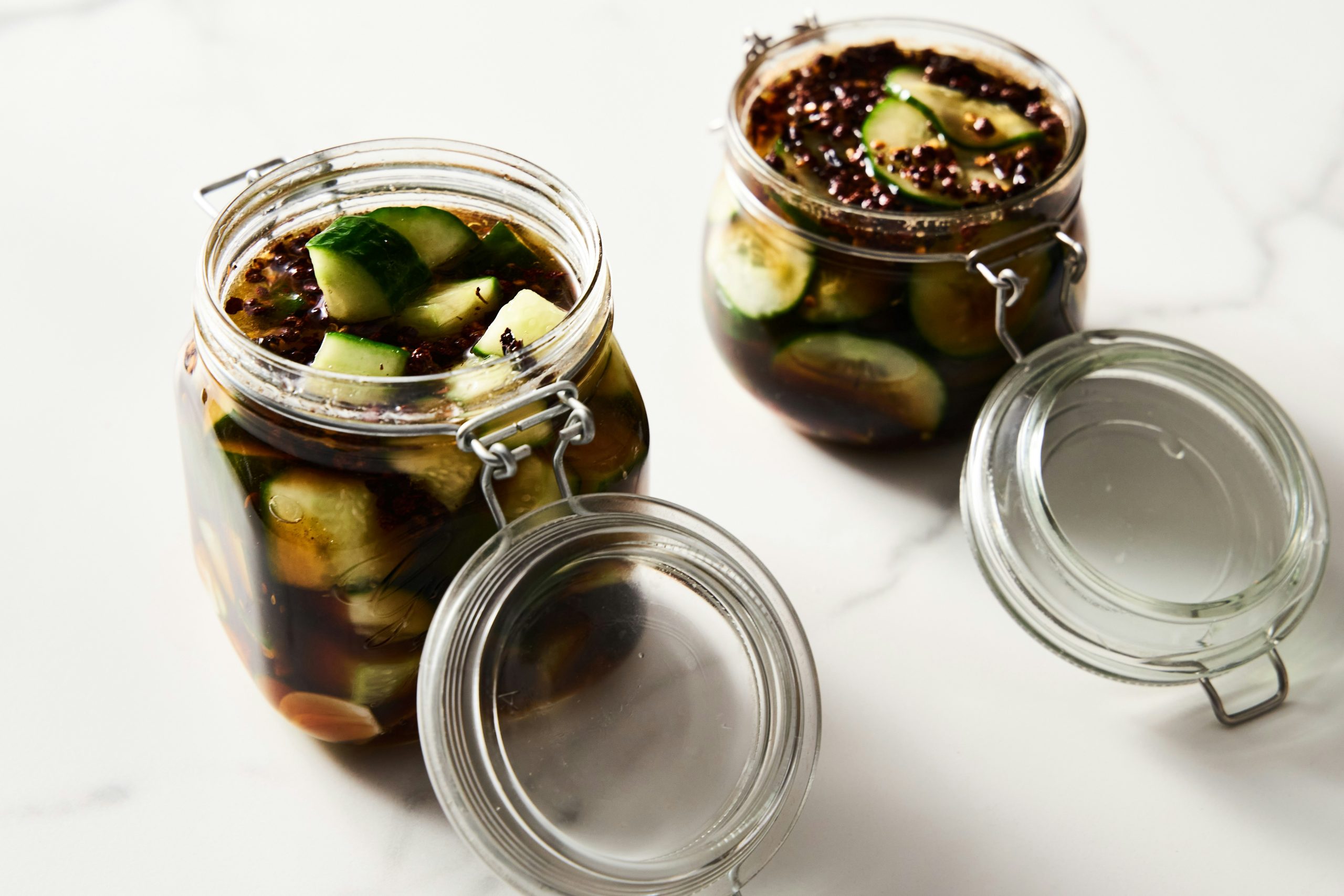
Pickles and preserves have conquered the world of gastronomy. They are vegetables, fruits, or even greens preserved in vinegar or brine, with a sour, sweet-and-sour, or spicy flavor that adds a unique touch to any dish. Although the term is English, in Spain we have our own versions: encurtidos (pickled vegetables) and their most famous cousin, guildas.
In this article, you will discover what pickles are, what the most typical «Spanish pickles» are, their relationship with guildas, their nutritional properties, and how to prepare the best homemade pickles to give your recipes a gourmet touch.
What is a pickle? Definition and origin
The term pickle comes from English and refers to any food preserved using vinegar, brine, or spices. Its origin dates back thousands of years, when preservation techniques were essential for storing food without refrigeration.
Pickles are not only used for preservation: they add flavor, texture, and a touch of acidity that enhances other ingredients. They can be sweet, sour, spicy, or bittersweet, depending on the type of vinegar, spices, and sugar used.
In modern cuisine, pickles are used in:
-
Sandwiches and hamburgers
-
Salads and bowls
-
Tapas and appetizers
-
Side dishes for meat and fish
Are pickles available in Spain? Yes, pickles
In Spain, pickles are called encurtidos and have been part of the gastronomic tradition for decades. They are very popular in tapas in the form of banderillas, bars, and home cooking, and are eaten both alone and as an accompaniment to other dishes.
1. Types of Spanish pickles
-
Pickles in vinegar: the most classic, small and crunchy, perfect for tapas or sandwiches.
-
Pickled onions or shallots: very common in appetizers and salads.
-
Pickled chili peppers: slightly spicy, ideal for adding flavor to tapas and pintxos.
-
Mixed vegetables: combinations of carrots, cauliflower, peppers, and cucumbers, very common in gourmet preserves.
-
Sweet or sweet-and-sour pickles: a mixture of vinegar, sugar, and spices for a balanced flavor.
These pickles can be purchased in gourmet stores or prepared at home, and their versatility makes them a perfect ingredient for both traditional and modern cuisine.
2. Guildas: the gourmet cousin of pickles
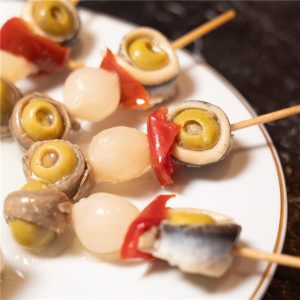
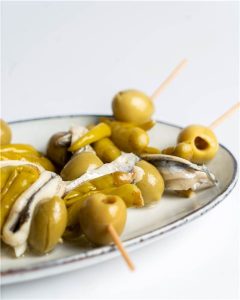
When talking about Spanish tapas, we cannot forget gildas, which originated in the Basque Country.
-
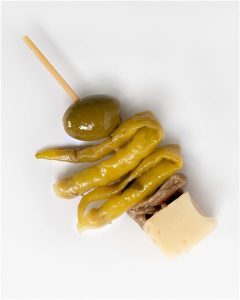
Gildas are chili peppers, olives, and anchovies skewered on a stick, with a touch of vinegar and olive oil.
-
They are eaten as a pintxo, accompanying a vermouth or a beer.
-
They are a variation on pickles, but with specific ingredients and presentation, which makes them more gastronomic and visually appealing.
Although gildas are essentially pickles, not all pickles can be called gildas. The main difference lies in their gastronomic use, ingredients, and format.
Nutritional properties of pickles
Pickles and preserves not only add flavor, they also have health benefits, especially when prepared in the traditional way:
-
Low in calories: most pickles are low in calories per serving.
-
Rich in fiber: they aid digestion and make you feel full.
-
Vitamins and minerals: depending on the vegetable used, they provide vitamin C, potassium, and antioxidants.
-
Natural probiotics: fermented pickles contain healthy bacteria that benefit the intestinal flora.
They are also perfect for healthy diets and vegan or vegetarian cooking, adding intense flavor without excess fat.
How to make homemade pickles or preserves: a practical guide
Making pickles or gildas at home is easy, fun, and allows you to control the ingredients, spices, and acidity.
Basic ingredients
-
Fresh vegetables (cucumber, carrot, onion, chili pepper, cauliflower, etc.)
-
Vinegar (wine, apple cider, or balsamic, according to your taste)
-
Water
-
Salt
-
Sugar (optional)
-
Spices: pepper, mustard, fennel seeds, bay leaf, garlic
Step by step
-
Wash and cut the vegetables into uniform pieces for even cooking and pickling.
-
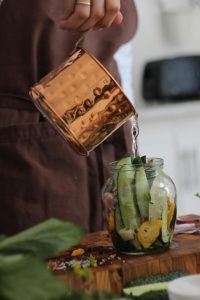
Prepare the brine: mix vinegar, water, salt, and sugar. Bring to a boil to dissolve the solids.
-
Add spices to taste to the jar: garlic, bay leaves, mustard seeds, or fennel seeds work very well.
-
Place the vegetables in sterilized jars and pour in the hot brine until completely covered.
-
Seal tightly and let stand for at least 24 hours. For a more intense flavor, leave in the refrigerator for 3-7 days.
Tips for getting the best flavor
-
Clean, sterilized jars: avoid unwanted bacteria.
-
Crisp vegetables: add freshly cut vegetables and do not overcook.
-
Sweet-sour balance: adjust the vinegar and sugar to suit your taste.
-
Resting time: the longer it rests, the deeper the flavor will be.
-
Vary spices and herbs: dill, garlic, or black pepper add different notes.
How to combine your homemade pickles?
-
As a side dish with burgers and sandwiches
-
In salads and bowls for a tangy and crunchy touch
-
With meat and fish for a contrasting flavor
-
In gourmet-style tapas and appetizers
-
As a base for homemade gildas or creative pinchos
Vegan and gluten-free pickles and preserves? We have them for you
Pickles and preserves are naturally gluten-free and vegan, making them a perfect ingredient for healthy, modern diets. They are mainly made with vegetables or fruits preserved in vinegar or brine, without the need for animal ingredients or gluten. You just have to be careful with some commercial products that may include additives or sauces with gluten, but homemade pickles guarantee their purity. There are also vegan options for classic tapas such as gildas, replacing anchovies with combinations of olives, peppers, or chili peppers, providing an intense and crunchy flavor that is ideal for burgers, salads, bowls, and appetizers.
Pickles and preserves are much more than just preserved vegetables: they are flavor, history, and versatility in the kitchen. In Spain, pickles and gildas reflect the creativity and tradition of our cuisine. Preparing them at home is not only easy, but it also allows you to enjoy fresh, nutritious, gourmet products.
If you haven’t tried them yet, we encourage you to make your own homemade pickles and experiment with spices, vinegars, and vegetable combinations. Your kitchen will thank you!