Yams and cassava: root vegetables that transform your cooking
/ Curiosities / Sin categoría / Tips
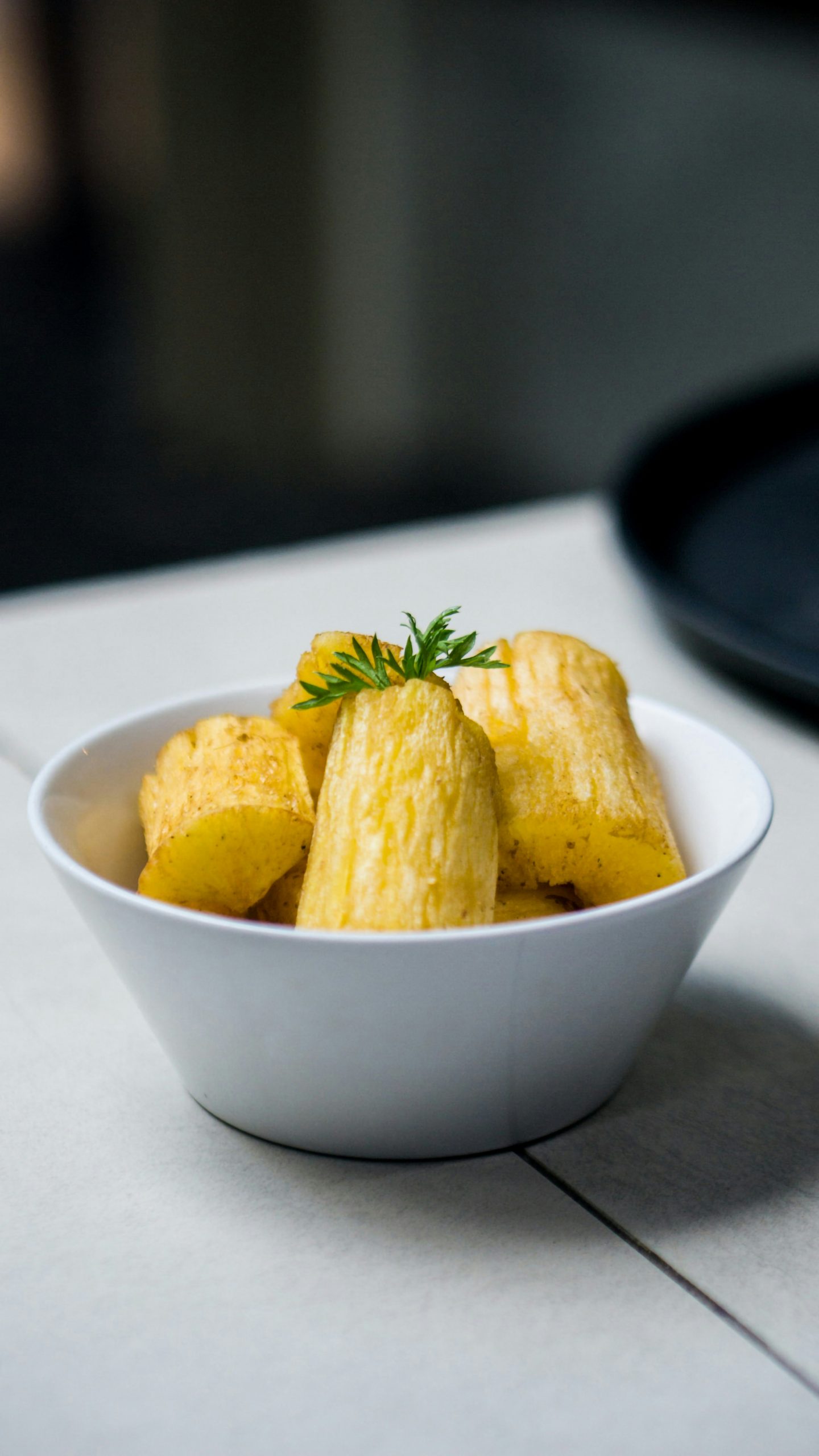
In modern cuisine, we are increasingly looking for ingredients that offer flavor, history, and nutritional value. Among them, tubers such as yams and cassava stand out for their versatility, nutritional value, and rich tradition. Although they are often confused with potatoes or sweet potatoes, these tubers have unique textures, flavors, and properties that can transform any recipe, from classic mashed potatoes to gourmet dishes.
In this article, we’ll tell you everything you need to know about yams and cassava: their nutritional profile, the different types that exist, their history and cultural tradition, and give you a practical guide to cooking them without mistakes and getting the most out of them.
What is yam and why should you know about it?
Yams, of the Dioscorea genus, are a very popular tuber in Africa, the Caribbean, and Latin America. Unlike potatoes, they have a more fibrous texture and a slightly sweet and earthy taste, making them ideal for both savory and sweet recipes. In many African countries, yams are a staple food and part of the daily diet of millions of people.
Although it remains a little-known ingredient in Spain, its versatility makes it an ideal candidate for gourmet and healthy recipes, especially if you want to innovate beyond potatoes or sweet potatoes.
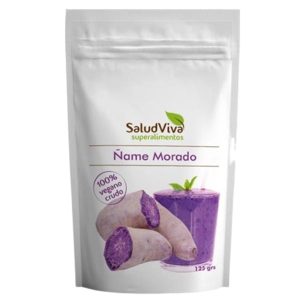
What are the different types of yams? How do you choose the right one?
There are over 600 species of yams, but in gastronomy, four varieties stand out:
1. White yam. This is the most common in international cuisine. It has light-colored flesh, a firm texture, and a mild flavor, ideal for boiling, roasting, or mashing. Its neutral taste allows it to be combined with spices and sauces without losing its leading role.
2. Yellow yam. Slightly sweeter and creamier than the white variety, it is often used in stews and traditional Caribbean dishes. Its bright color adds visual appeal to recipes.
3. African yam. Widely used to make fufu, a dense paste that accompanies soups and stews. Its more fibrous texture requires prolonged cooking, but the result is a firm and filling tuber.
4. Caribbean yam. Larger and slightly drier than the white variety, it is used in recipes for roasts, chips, and cakes. Its intense flavor makes it perfect for dishes with strong seasonings.
Nutritional profile of yams: energy and health in every bite
Yams are not only distinguished by their taste and texture, they are also a highly nutritious food:
-
Complex carbohydrates: they provide lasting energy, perfect for breakfast or main dishes.
-
Fiber: aids digestion and helps you feel full.
-
Vitamins and minerals: they contain potassium, vitamin C, and antioxidants that help strengthen the immune system.
-
Low in fat: ideal for healthy diets.
-
Moderate glycemic index: depending on how it is prepared, it is a more stable alternative to potatoes for controlling blood sugar levels.
Thanks to these properties, yams are suitable for vegetarian and vegan diets as well as functional and sports nutrition, providing energy without overloading.
Buy gluten-free cassava couscous
Yam culture and tradition
The yam is not only an ingredient, but also a cultural symbol:
-
West Africa: yams are sacred in several cultures and associated with fertility and prosperity. In countries such as Ghana and Nigeria, the «New Yam Festival» is celebrated, an event that marks the harvest and brings entire communities together.
-
Caribbean: yams are used in traditional stews and soups that accompany family celebrations.
-
Rural Latin America: It remains a staple food, eaten boiled, fried, or mashed, and is part of the local gastronomic identity.
Knowing the history of the yam adds value to your recipes: it is not just a food, it is also a cultural memory and a tradition.
What about cassava? Differences and uses
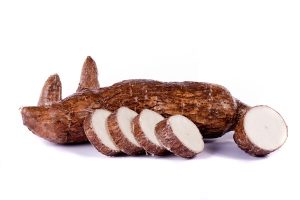
Although sometimes confused with yams, cassava (or manioc) is another tuber with its own characteristics:
-
It is richer in starch and has a more elastic texture.
-
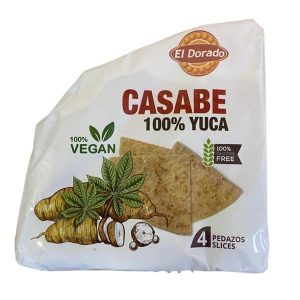
It is the basis of tapioca, casabe, and many traditional Latin American breads.
-
There are two types: sweet and bitter (the latter requires processing to remove toxic compounds).
-
Naturally gluten-free, it is perfect for baking and special diets.
Cassava can be boiled, fried, or roasted, and is an ideal accompaniment to meat, fish, or vegan recipes.
Practical guide to cooking yams and cassava
Cooking these tubers may seem daunting, but with a few tips, you’ll get perfect results:
1. How to peel them without getting discouraged?
-
Cut them into large pieces to make them easier to handle.
-
Make a lengthwise incision in the skin and remove it with a knife, not a peeler.
-
For cassava, also remove the inner pink layer if there is one.
-
Yams have thicker, rougher skin, so be patient: it’s worth the effort.
2. How should they be stored?
-
Whole and unpeeled: in a cool, dry, well-ventilated place for up to 1 week.
-
Peeled: immersed in cold water in the refrigerator, 24 to 48 hours.
-
Cooked: refrigerated for 3 to 4 days.
-
Avoid storing them in a damp, unventilated place so they don’t rot.
3. How to cook cassava so that it is not hard?
-
Be sure to remove the woody center fiber.
-
Boil it in a large amount of water for 20 to 30 minutes.
-
Check that the ends open slightly.
-
Then, if you wish, fry, roast, or bake it.
4. What mistakes should be avoided when cooking?
Confusing yams with sweet potatoes. Cooking
them for too short a time.
Not removing the inner fibers.
Peeling yams as if they were potatoes.
Not tasting the texture before serving.
With these tips, cooking yams and cassava will be easier than ever, and the results will be surprisingly delicious.
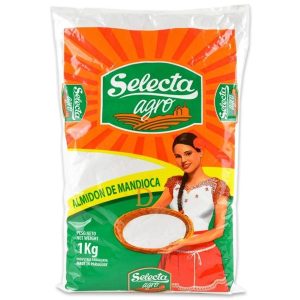
Why incorporate yams and cassava into your cooking?
These tubers are not only exotic: they are versatile, nutritious, and steeped in history. Incorporating them into your dishes allows you to:
-
Innovate in gourmet cuisine
-
Offer healthy alternatives to potatoes or pasta
-
Create recipes rooted in culture and tradition
-
Experiment with different textures and flavors
If you want to differentiate your cuisine and surprise your guests, yams and cassava are your perfect allies.
Yams and cassava are much more than just tubers: they bring history, nutrition, and versatility to your dishes. Knowing how to peel, cook, and combine them will take your cooking to the next level, from traditional recipes to gourmet dishes.
Don’t wait any longer to try yams and cassava in your kitchen and discover how these root vegetables can transform any recipe.