What are antioxidant foods?
¿Do you know antioxidant foods? This foods has become commonplace in the world of nutrition, gastronomy, and wellness. But what does it really mean for a food to be antioxidant, and why are more and more people looking to include it in their daily diet? In this article, we will explore the concept of antioxidants in depth, the benefits of consuming them, which Spanish foods are richest in them, and we will also present an antioxidant recipe that you can prepare at home.
What does antioxidant mean?
What are antioxidant foods? An antioxidant food is one that contains compounds capable of neutralizing free radicals in our body. Free radicals are unstable molecules that are naturally generated during metabolic processes, exposure to the sun, pollution, stress, or even unhealthy eating. When these free radicals accumulate, they can damage cells, proteins, and DNA, contributing to premature aging and the development of chronic diseases such as cancer, diabetes, or cardiovascular problems.
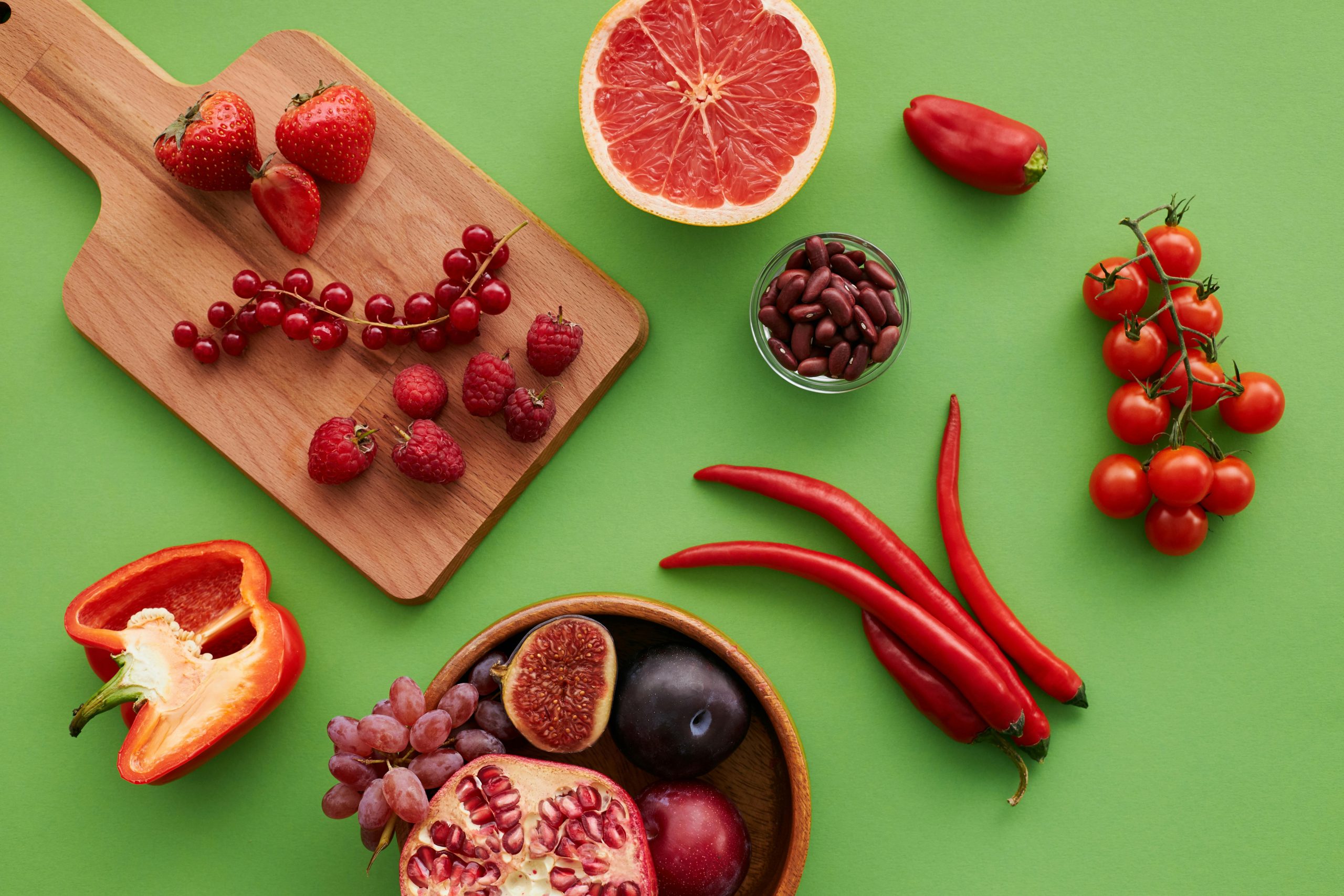
Antioxidants act as a kind of natural «shield.» They neutralize these free radicals and help maintain the body’s balance, protecting our cells and tissues. Among the main antioxidants present in food are:
-
Vitamin C: found in citrus fruits, peppers, and strawberries.
-
Vitamin E: found in nuts, seeds, and extra virgin olive oil.
-
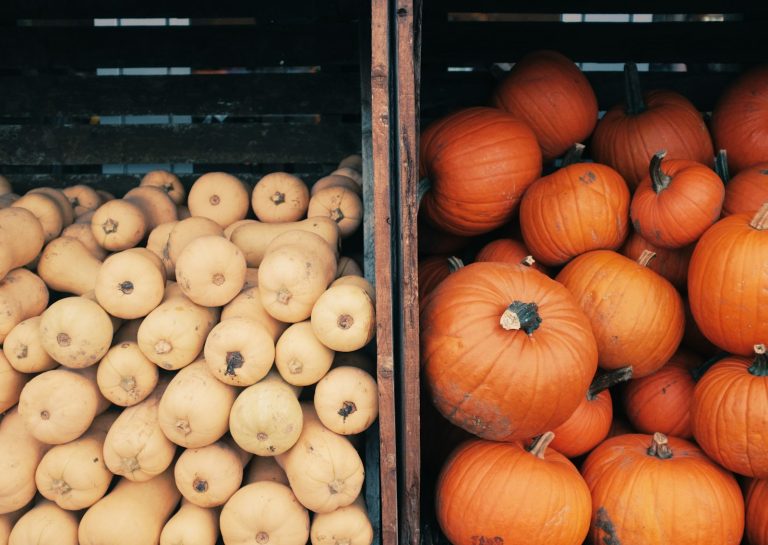
Beta-carotene and carotenoids: found in carrots, pumpkin, and red peppers.
-
Polyphenols and flavonoids: found in fruits, vegetables, red wine, green tea, and cocoa.
-
Selenium and zinc: found in seafood, nuts, and whole grains.
In short, consuming antioxidant foods not only helps protect our health, but also contributes to improving our skin, strengthening our immune system and, in general, feeling more active and energetic.
Why is everyone looking for antioxidant foods?
Interest in antioxidant foods has increased for several reasons. First, we live in a world where oxidative stress is common due to pollution, daily stress, consumption of ultra-processed foods, and a sedentary lifestyle. In this context, incorporating antioxidants into the diet has become a natural strategy to combat cellular wear and tear.
Furthermore, scientific evidence supports their importance. Studies have shown that a diet rich in antioxidants can:
-
Reduce the risk of cardiovascular disease. Antioxidants prevent the oxidation of LDL cholesterol, reducing the likelihood of arteriosclerosis.
-
Protect the skin against aging and sun damage. Carotenoids and vitamin C help maintain skin elasticity and radiance.
-
Strengthen the immune system. Vitamin C, vitamin E, and selenium boost the body’s natural defenses against infection.
-
Contribute to brain health. Polyphenols and flavonoids have been associated with improved memory and a lower risk of neurodegenerative diseases.
For these reasons, consuming antioxidant-rich foods is not just a fad, but a comprehensive approach to health that combines nutrition and prevention.
What are the main antioxidant foods in Spain?
Spain has a wide variety of antioxidant-rich foods, thanks to its Mediterranean climate, biodiversity, and gastronomic culture. Among the most notable products are:
1. Extra virgin olive oil
Extra virgin olive oil is one of the pillars of the Mediterranean diet and a rich source of polyphenols and vitamin E. These compounds contribute to cardiovascular health and the reduction of bad cholesterol.
2. Red and purple fruits
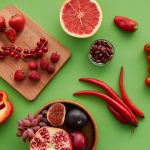
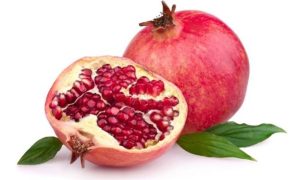
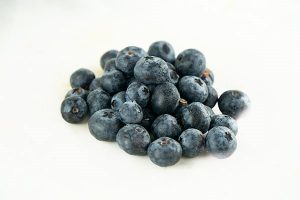
Strawberries, blueberries, blackberries, and cherries contain anthocyanins, a type of flavonoid with powerful antioxidant effects. They are excellent eaten fresh, in smoothies, or in healthy desserts.
3. Tomatoes
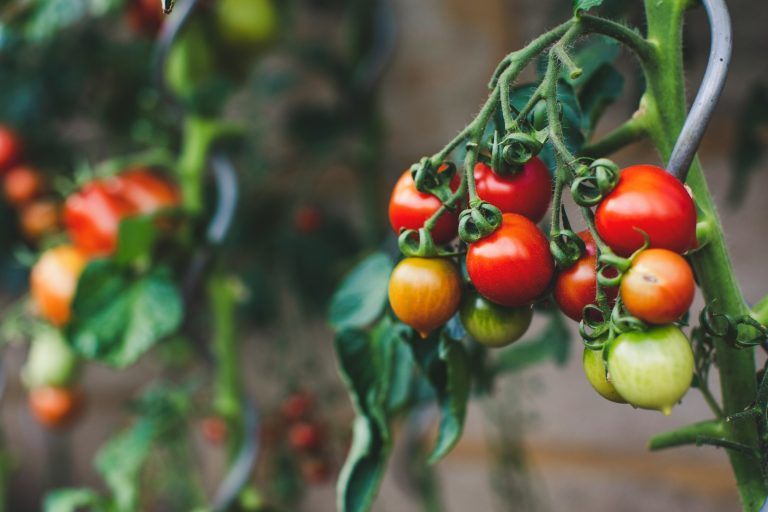
Tomatoes are rich in lycopene, a carotenoid with very effective antioxidant action. Roasted or cooked tomatoes increase the bioavailability of lycopene, making them even more beneficial.
4. Peppers and colorful vegetables
Red peppers, carrots, squash, and spinach provide beta-carotene and vitamin C. In addition to their antioxidant action, they provide fiber and vitamins essential for overall health.
5. Nuts and seeds
Almonds, walnuts, and hazelnuts are sources of vitamin E and selenium, which protect our cells from oxidative stress. They are also excellent added to salads, yogurts, or simply as a healthy snack.
6. Red wine and dark chocolate
In moderation, red wine and pure cocoa provide polyphenols and flavonoids that promote cardiovascular and brain health. Choose quality wine and chocolate with at least 70% cocoa.
7. Legumes and whole grains
Chickpeas, lentils, oats, and brown rice contain natural antioxidants, as well as fiber, minerals, and vegetable protein.
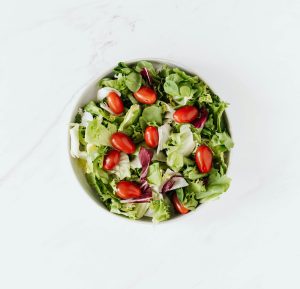
A 100% antioxidant recipe? Make a Mediterranean salad
To get the most out of the antioxidants in Spanish foods, here is a simple, delicious, and healthy recipe:
Ingredients (for 2 people)
-
1 large ripe tomato
-
1 red pepper
-
50 g fresh spinach
-
1/2 avocado
-
10 toasted almonds
-
50 g fresh or dried cranberries
-
2 tablespoons extra virgin olive oil
-
1 tablespoon apple cider vinegar
-
Salt and pepper to taste
-
Optional: chia or sesame seeds
Preparation
-
Wash and cut the tomato and bell pepper into medium-sized cubes.
-
Place the fresh spinach in a large bowl and add the tomato, bell pepper, and sliced avocado.
-
Add the cranberries and toasted almonds.
-
Prepare a vinaigrette by mixing the olive oil, vinegar, salt, and pepper. Pour over the salad and toss gently.
-
If desired, sprinkle with chia or sesame seeds to add more antioxidants and texture.
This salad is a real antioxidant powerhouse, combining vitamins, polyphenols, beta-carotene, and healthy fats. Ideal as a light main course or side dish for meat and fish.
Tips for maximizing antioxidants in your diet
-
Variety and color on your plate: The more natural colors your food has, the greater variety of antioxidants you will have.
-
Eat fresh fruits and vegetables: Raw fruits and vegetables retain more vitamin C and polyphenols than if they are overcooked.
-
Extra virgin olive oil raw: Adding it at the end of salads or cooked vegetables helps preserve their polyphenols.
-
Don’t overcook: Prolonged cooking can destroy heat-sensitive antioxidants. Opt for steaming, microwaving, or light sautéing instead.
-
Combine foods: Some antioxidants are better absorbed together, for example, lycopene in tomatoes with olive oil.
Finally, ¿what really are antioxidant foods? are much more than a trend; they are a natural tool for protecting our health and enjoying food in a conscious way. Spain offers a wide variety of local products rich in antioxidants, from fruits and vegetables to olive oil and nuts. Incorporating them into recipes such as the antioxidant Mediterranean salad is a delicious and easy way to take care of your body, skin, and mind.