Differences between cassava and yams? Take note.
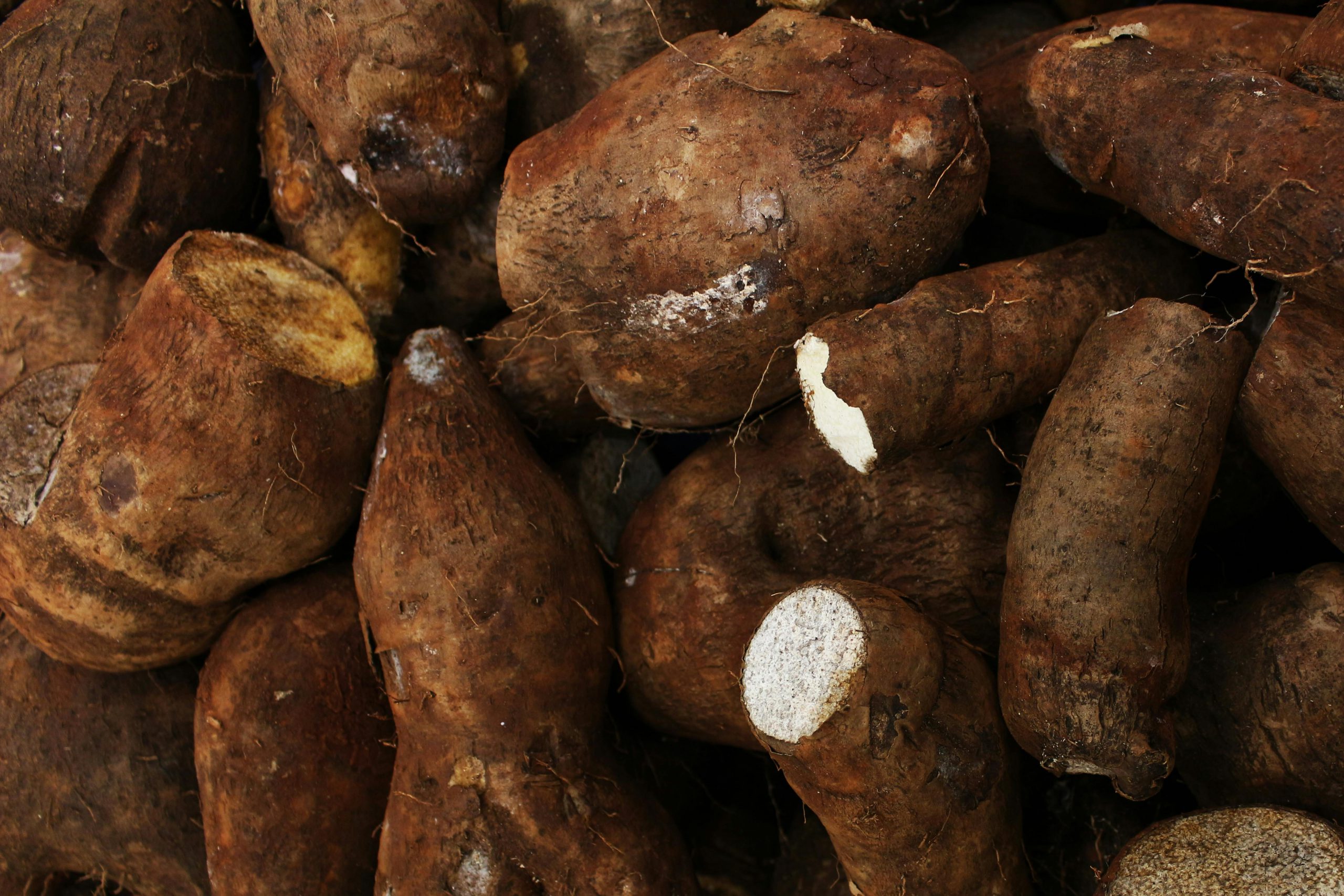
Tubers have always been a fundamental staple food for various cultures throughout history. Among the most popular in tropical regions are cassava and yams, two foods that, although they share certain similarities, have marked differences in both their nutritional composition and culinary uses. In this mentta article, we will focus on the difference between cassava and yams, as well as their properties and a recipe using these two ingredients.
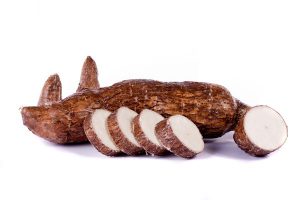
Cassava
Origin and cultivation:
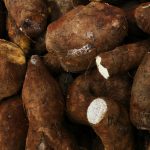
Cassava, also known as manioc, is native to South America and is a staple food in many parts of the world, including Africa, Asia, and Latin America. It is an extremely hardy plant that can grow in poor soil, making it an essential food source in regions where other crops do not thrive.
Nutritional properties:
Cassava is known for its high carbohydrate content, particularly in the form of starch. With about 160 calories per 100 grams, it is an excellent source of energy. Although it is relatively low in protein (about 1.4 grams per 100 grams), it contains small amounts of vitamins and minerals, including vitamin C, vitamin A, and certain B vitamins such as folic acid.
However, it is important to note that cassava must be thoroughly cooked before consumption, as it contains cyanogenic glycosides, compounds that can be toxic if ingested raw. Cooking destroys these compounds, making cassava safe and nutritious.
Culinary uses:
Cassava is extremely versatile in the kitchen. It can be boiled, fried, baked, or mashed. In many cultures, it is processed into flour (tapioca), which is used to make bread, cakes, and other gluten-free products. It also serves as the basis for traditional foods such as cassava bread and cassava arepas.
Yams
Origin and cultivation:
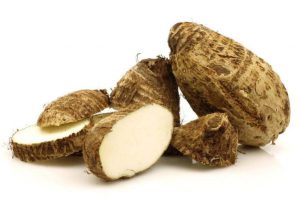
Yams are tubers widely cultivated in Africa, the Caribbean, Asia, and Oceania. There are different varieties of yams, some of which are particularly popular in specific regions, such as water yams, purple yams, and yellow yams. Yams have been a staple food in these regions for centuries, providing a vital source of nutrition.
Nutritional properties:
Yams are also an excellent source of carbohydrates, although they contain more fiber than cassava, which contributes to slower and more stable digestion of sugars in the body. In addition, yams are rich in vitamin C, vitamin B6, and potassium, and contain antioxidants such as carotenoids and vitamin E. Some varieties of yams, such as purple yams, are also rich in anthocyanins, compounds with powerful antioxidant properties.
In terms of calories, yams are similar to cassava, but their protein content is slightly higher, at around 2 grams per 100 grams. Although these proteins are not complete, they contribute to overall nutrition when consumed as part of a balanced diet.
Culinary uses:
Yams are highly prized in cooking for their texture and taste. Like cassava, they can be boiled, fried, roasted, or mashed. In West Africa, for example, fufu is a traditional dish made from yams that are boiled and then mashed into a smooth paste. Yams are also used in soups and stews and can be combined with other ingredients to make cakes and other baked goods.
Key differences between cassava and yams
Although cassava and yams are both carbohydrate-rich tubers used in many cultures for similar purposes, there are fundamental differences between these two foods:
- Nutritional composition:
- Cassava: higher in carbohydrates and calories, but lower in fiber and protein. Cassava is an excellent source of quick energy due to its high starch content.
- Yams: higher in fiber and slightly higher in protein, making them a slightly more nutritionally balanced choice. They also contain more antioxidants than cassava, especially in certain varieties such as purple yams.
- Flavor and texture:
- Cassava: it has a firmer, drier texture when cooked, and a mild flavor that absorbs other flavors well. Its starch makes it ideal for frying and dishes that require a crispy texture.
- Yams: They are softer and creamier, with a slightly sweet taste, depending on the variety. They are ideal for mashed potatoes and dishes that require a creamier texture.
- Preparation and use:
- Cassava: it must be cooked properly to remove toxic compounds. It is most commonly used in fried foods, soups, and in the form of flour (tapioca).
- Yams: they are more versatile in terms of preparation, do not require a toxin removal process, and are used in a wide range of recipes, from stews to desserts.
- Availability and varieties:
- Cassava: widely available in tropical and subtropical regions, it comes in sweet and bitter varieties.
- Yams: These come in many regional varieties, each with distinctive characteristics, and are more widely available in Africa and Asia, although they are also grown in Latin America and the Caribbean.
Recipe: Cassava and yam purée with roasted garlic
This recipe combines the creamy texture of yams with the firmness of cassava, resulting in a deeply flavorful and comforting purée that is perfect as a side dish for meat dishes or as part of a vegetarian meal.
Ingredients:
- 500 g cassava, peeled and cut into pieces
- 500 g yams, peeled and cut into pieces
- 4 cloves of garlic
- 50 ml olive oil
- 100 ml coconut milk (optional)
- Salt and pepper to taste
- Fresh chopped parsley for garnish
Instructions
- Prepare the ingredients:
- Preheat the oven to 350°F. Peel the cassava and yams, then cut them into medium-sized pieces.
- Place the garlic cloves (with the skin on) on a baking sheet, drizzle with a little olive oil, and bake for 20 to 25 minutes, or until golden brown and tender.
- Cooking the cassava and yams:
- While the garlic is baking, place the cassava and yams in a large pot filled with salted water. Bring to a boil and cook for 20 to 25 minutes, or until tender.
- Making the purée:
- Drain the cassava and yams, then return them to the pot. Peel the roasted garlic and add it to the pot.
- Using a potato masher or large fork, mash the cassava, yams, and garlic until smooth. Add the remaining olive oil and coconut milk (if using), then mix well.
- Season with salt and pepper to taste.
- Serving:
- Transfer the purée to a serving dish and garnish with chopped fresh parsley. Serve warm.
Now you know the differences between cassava and yams, which are often used similarly in cooking but offer different nutritional benefits and flavor profiles that can complement a variety of dishes. Whether you prefer the crispy texture of fried cassava or the creamy smoothness of mashed yams, both tubers are nutritious and versatile additions to any diet. What’s more, by incorporating them into recipes such as mashed cassava and yam with roasted garlic, you can enjoy the best of both worlds in a single dish. Visit the mentta blog to learn more about gastronomy and superfoods.