What are urban gardens, and why are they booming?

Urban gardens have become one of the most visible trends in the transformation of modern cities. It is increasingly common to see terraces, rooftops, balconies, or even community spaces turned into small plots for growing fruits, vegetables, and herbs.
More than just a fad, urban gardens represent a profound shift in the way people relate to food, the environment, and sustainability. But what exactly are urban gardens, how do they work, and why have they become so important in recent years?
What is an urban garden?
An urban garden is a cultivation space located within a city or urban setting, where food such as vegetables, fruits, herbs, or even edible flowers is grown.
These gardens can take various forms:
- Private balconies or terraces
- Building rooftops
- Community gardens
- Repurposed public spaces
- Indoor containers or vertical gardening systems

What types of urban gardens are there?
Their main feature is that they allow people to grow food in environments where, traditionally, there was no space for agriculture. There are several ways to set up an urban garden depending on the available space and your level of experience.
1. Home gardens
These are the most common. They’re set up in private homes, usually on balconies, patios, or backyards. They typically include planters, growing tables, or small irrigation systems.
2. Community gardens
These are spaces shared among neighbors or associations. Each person or group is responsible for a plot or growing area. In addition to producing food, they serve an important social function by fostering community and collective learning.
3. Vertical gardens
Designed to make the most of vertical space, they are ideal for cities with limited horizontal space. They are installed on walls or vertical structures and allow for the cultivation of herbs, strawberries, or small vegetables.
4. School gardens
They are used as an educational tool in elementary and high schools to teach children how food grows and to promote healthy habits.

Buy produce from the garden at Mentta
What can you grow in an urban garden?
The choice of crops depends on space, climate, and the time of year. However, some foods are particularly well-suited for this type of gardening:
- Lettuce and leafy greens
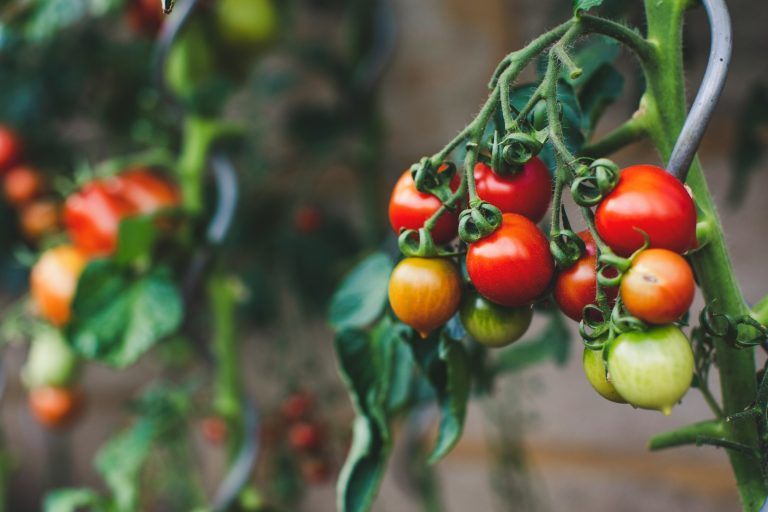
- Tomatoes
- Peppers
- Carrots
- Strawberries
- Aromatic herbs (basil, parsley, mint, rosemary)
- Chives
- Arugula
These crops generally grow well in pots or small spaces and do not require deep soil.
Buy fresh produce from the garden at mentta
Benefits of Urban Gardens
The growth of urban gardens is no coincidence. It stems from the many benefits they offer, which affect both individuals and the community.
- Healthier eating. Growing your own food gives you access to fresh produce, cuts out middlemen, and allows for greater control over the use of pesticides and fertilizers.
- Sustainability. Urban gardens reduce dependence on food transportation, lowering the carbon footprint associated with food distribution.
- Connection with nature. In urban environments, many people have little direct contact with nature. Gardens help restore that connection.
- Mental well-being. Various studies indicate that caring for plants and being in contact with the soil have positive effects on stress and mental health.
- Food education. They provide a better understanding of where food comes from and how it is produced, which encourages more mindful eating habits.
How to Start an Urban Garden from Scratch
Starting an urban garden doesn’t require a lot of prior knowledge, but it does require some planning.
1. Choose a spot
The first step is to find a spot with enough natural light. Most plants need between 4 and 6 hours of sunlight per day.
2. Select the containers
You can use flowerpots, planters, growing tables, or vertical gardening systems. The important thing is that they have good drainage.
3. Prepare the growing medium
The soil is key to the success of your garden. It’s recommended to use specific mixes for urban gardening that ensure proper nutrition and aeration.
4. Choose the plants
For beginners, it’s best to start with easy-to-grow crops like lettuce, tomatoes, or herbs.
5. Watering and maintenance
Water regularly, but avoid overwatering. It’s important to prevent waterlogging. You should also check the condition of your plants periodically to detect pests or nutrient deficiencies.

Buy fruit baskets from the garden
Common Problems in Urban Gardens
Although they are relatively easy to maintain, urban gardens can present some challenges:
- Insufficient sunlight
- Too much or too little watering
- Pests such as aphids or whiteflies
- Limited space
- Temperature fluctuations on patios or balconies
With good planning, most of these problems can be easily prevented or corrected.

Buy fresh vegetables at mentta
Urban gardens and current trends
In recent years, urban gardens have gone from being a niche practice to becoming part of a global movement toward sustainability.
This growth is driven by several factors:
- Greater interest in healthy eating
- Concern for the environment
- The pursuit of food self-sufficiency
- A renewed appreciation for local and artisanal products
- More time spent at home and working remotely
The Future of Urban Gardens
All signs point to urban gardens continuing to grow in the coming years, particularly as they become integrated into urban architecture. Solutions are being developed, such as buildings with rooftop gardens, indoor hydroponic systems, vertical farming in small spaces, and the integration of technology to optimize irrigation and plant growth. The combination of sustainability, technology, and locally sourced food is redefining how cities will produce part of their food in the future.
Urban gardens represent much more than just an aesthetic or recreational trend. They are a practical response to current challenges such as sustainability, healthy eating, and our disconnect from natural processes. Whether it’s a small balcony with aromatic herbs or a large community garden, these initiatives are changing the relationship between people and food, bringing the countryside closer to the city in an accessible and meaningful way.