Early harvest olive oil: what it is and why it’s worth the wait
/ All articles / Tips
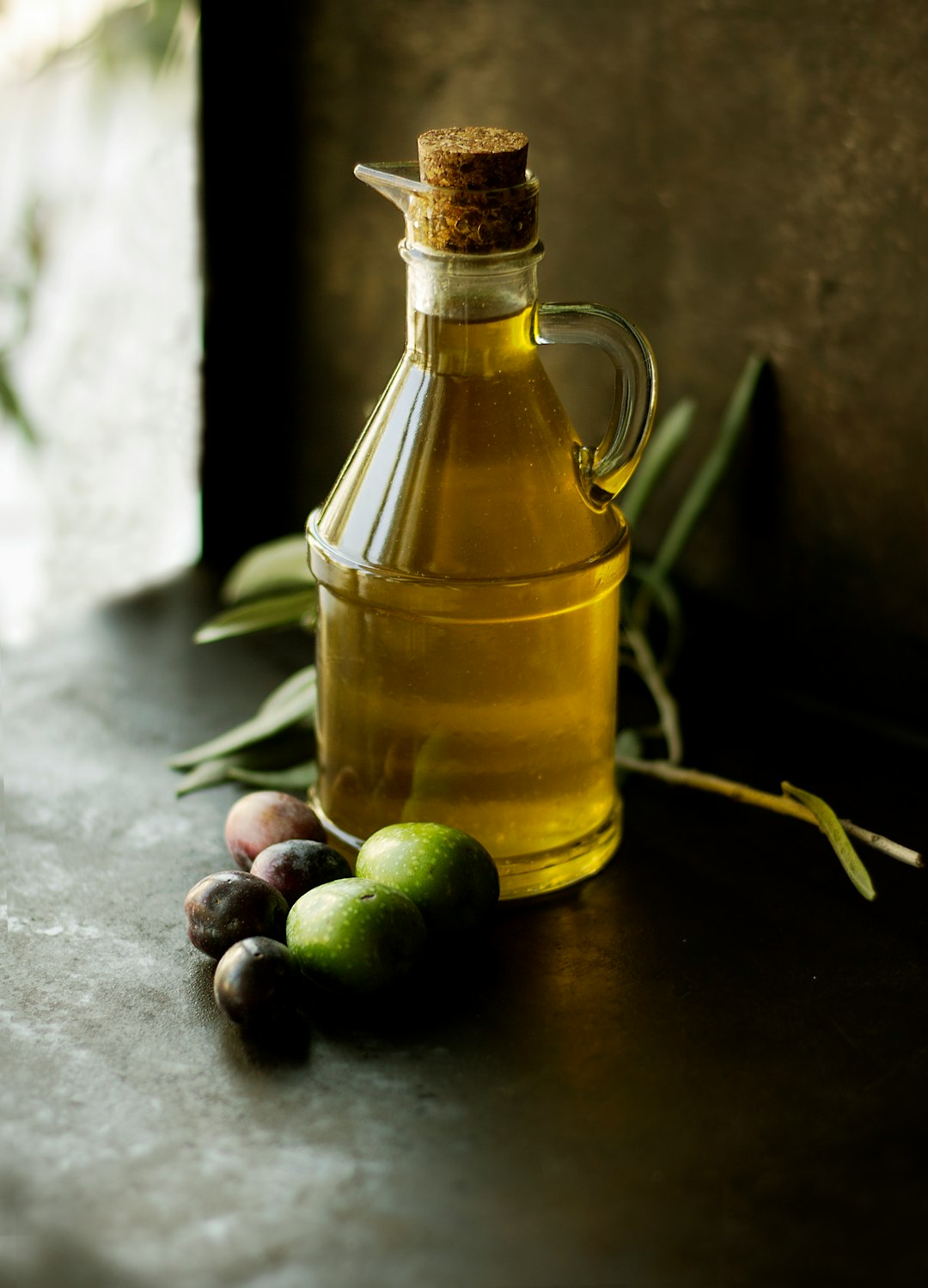
Early harvest olive oil is an extra virgin olive oil made from olives picked at the very start of the season, while they’re still green. It usually comes out between October and November and you can spot it straight away: greener, fruitier, with a bitterness and a peppery kick you can really taste. Here’s what it is, why it tastes the way it does, why it costs more and how to enjoy it.
What is early harvest olive oil?
It’s the oil made from the year’s first olives. Instead of waiting for them to ripen fully on the tree, the producer picks them green, at the start of the season. There’s no fixed date: it depends on the area, the olive variety and the weather, but it usually runs from early October to mid-November.
In Spain it’s often called aceite nuevo, “new oil”, or the first oil of the season. It’s the first to leave the mill, and for many people, the most eagerly awaited of the year.
Why early harvest olive oil tastes different
Because green olives hold aromas and compounds that mellow as the fruit ripens. On the palate, you’ll notice:
- Intense green fruitiness. Think freshly cut grass, tomato leaf, artichoke or green apple.
- Bitterness. Pleasant and clean, like a good green leaf.
- A peppery kick in the throat. It isn’t a flaw: it’s one of its signatures.
That bitterness and pepperiness come mainly from the oil’s phenols. As a rule, their content tends to be higher at the start of the season and to drop as it goes on, as long as the oil is made in the same conditions. Phenols also help the oil keep better over time.
Why early harvest olive oil costs more
Because green olives contain less oil than ripe ones. You need a lot more olives to fill a bottle: some producers talk about around 10 kg of oil for every 100 kg of green olives. Add the fact that the harvest lasts only a few weeks and the olives must be milled quickly and carefully, and you get a scarce oil with a lot more work behind it.
Is “early harvest” an official category?
No. The commercial categories of olive oil are the ones you’ll see on the label: extra virgin olive oil, virgin olive oil and olive oil, among others. “Early harvest” is a mention the producer adds to tell you when the olives were picked. To choose well, check that it’s extra virgin and, if it’s shown, the season or harvest date.
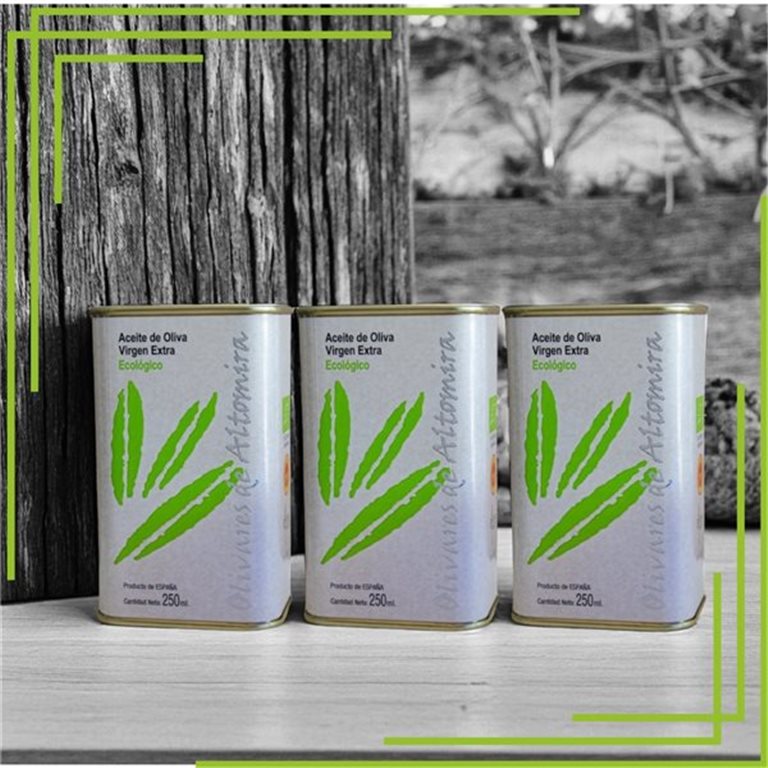
How to enjoy early harvest olive oil
It’s an oil to use raw, where it really shines:
- On a slice of toast with grated tomato and a pinch of flaky salt.
- To finish roasted vegetables, a bowl of pulses or a hot soup.
- Drizzled over grilled fish, just before serving.
- In a salad with pomegranate, walnuts and green leaves.
You can cook with it, of course, but heat takes away some of the nuances that make it special. For frying, an everyday extra virgin olive oil is a better choice.
How to store early harvest olive oil
- Away from light, heat and air. In a cupboard, never next to the hob.
- Tightly closed and, ideally, in a tin or a dark glass bottle.
- If it’s unfiltered (you’ll see it’s cloudy), enjoy it within the first few weeks: it’s the one that loses its aromas soonest.
- Filtered oil keeps longer, but an oil like this is best enjoyed in the months after the harvest, not the following year.
A gift that arrives just in time for Christmas
New oil comes out just as people start putting together hampers and gifts, and few things say as much about the giver. Find it in Mentta’s extra virgin olive oil search, straight from the mills; at checkout you’ll see whether it can be delivered to your country. For more ideas, see our guide to Spanish food gifts, and if you’d like to know how buying from the people who make it works, read how to buy directly from producers online.
Frequently asked questions about early harvest olive oil
What is early harvest olive oil?
An extra virgin olive oil made from olives picked green at the start of the season, usually between October and mid-November.
Why is early harvest olive oil peppery?
Because of its phenols, which give it bitterness and a peppery kick. They tend to be more present at the start of the season. That kick is a sign of a fresh, intense oil, not a flaw.
Is it better than regular harvest olive oil?
It’s different. Early harvest oil is greener, more intense and more bitter; oil from riper olives is milder and sweeter. It depends on your taste and what you want it for.
Why does it cost more?
Because green olives yield less oil: you need more kilos of olives for every litre, and the harvest lasts only a few weeks.
How long does early harvest olive oil last?
Stored properly, filtered oil keeps its aromas for months. Unfiltered oil is best used within the first few weeks.
Mentta. The online market for people who know what things should taste like.