The peanut: the legume that everyone confuses with a nut
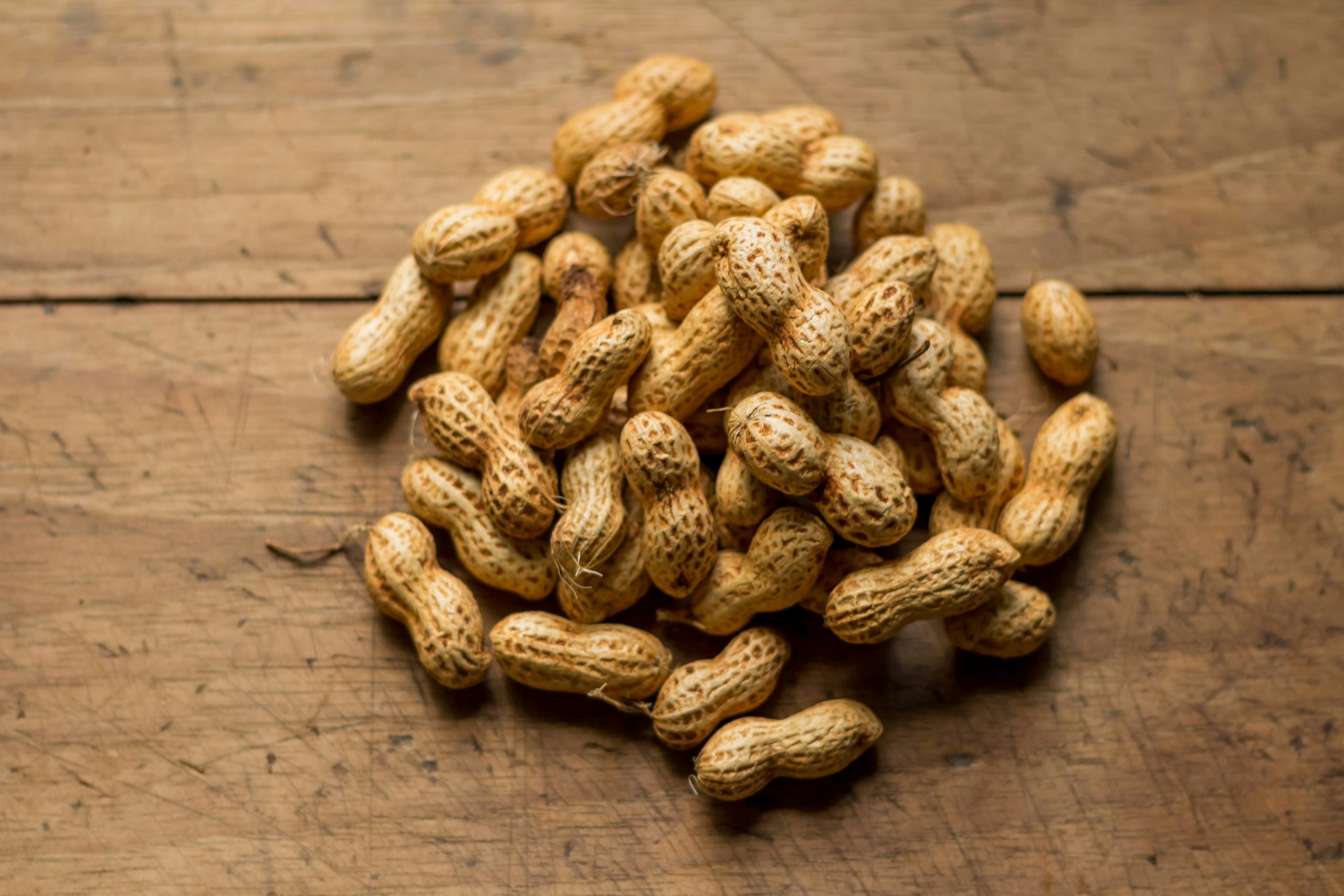
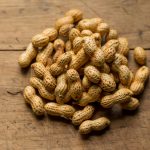
¿The peanut is a legume? also known as groundnuts in many countries, are a popular food worldwide, valued for their taste, versatility, and nutritional benefits. They are often mistaken for tree nuts due to their texture and use in recipes, but they are actually legumes, like peas or lentils. In this article, we explore what peanuts are, why they are often considered nuts, their nutritional properties, affordable price, and some delicious recipes to enjoy them.
Are peanuts really a legume?
Although commonly called nuts, peanuts are legumes. This means they grow in pods underground, unlike walnuts, almonds, or hazelnuts which grow on trees. Each pod generally contains two or three peanuts and develops from the flowers of the peanut plant, which belongs to the Fabaceae family, the same family as peas, lentils, or fava beans.
The reason many people confuse them with nuts is their flavor, texture, and culinary use. They are often roasted, salted, and consumed similarly to tree nuts. They are also used to make peanut butter, snacks, chocolates, and baked goods, reinforcing the perception that they are nuts. But in reality, peanuts are a highly beneficial legume.
Peanut history and origin
The peanut, or groundnut, originated in South America, mainly in regions that today correspond to Brazil and Paraguay, where it was cultivated and consumed by indigenous peoples long before Europeans arrived. The Aztecs and other pre-Columbian civilizations used it both as food and in religious ceremonies. After the arrival of the Spanish in the 16th century, peanuts began spreading to Central America, Mexico, and the Caribbean, and later to Africa, Asia, and Europe.
In Africa, it became an important crop and integrated into local diets, while in the United States its popularity grew especially in the 19th century with the invention of peanut butter and its industrial commercialization. Today, peanuts are a global crop, valued for their nutritional benefits and culinary versatility.
Buy the best peanuts on Mentta

Nutritional properties of peanuts
Peanuts are highly nutritious and offer multiple health benefits:
-
Proteins: They are an excellent source of plant-based protein, ideal for vegetarian and vegan diets.
-
Healthy fats: They contain mainly monounsaturated and polyunsaturated fats, which are good for the heart.
-
Vitamins and minerals: Rich in vitamin E, magnesium, phosphorus, zinc, and niacin, essential for cellular function and energy.
-
Fiber: Helps improve digestion and promotes satiety.
-
Antioxidants: Such as polyphenols, which help protect cells from oxidative stress.
Although calorie-dense, moderate consumption can support heart health, appetite control, and brain function.

Why are peanuts so cheap?
Even though we explained that peanuts are legumes and not nuts, they are still compared to nuts in terms of cost. Peanuts are one of the most affordable «nuts» on the market, due to several factors:
-
Efficient cultivation: The peanut plant grows quickly, needs relatively little water, and can produce many pods per hectare.
-
Mass production: It is grown on large farms in countries like China, India, the United States, and Nigeria.
-
Storage and transport: As a resilient legume, peanuts withstand storage and transport well, reducing logistics costs.
-
Industrial versatility: Used in peanut butter, oils, snacks, and baked goods, generating economies of scale that lower the final price.
Thanks to this, peanuts have become an accessible snack and an economical source of protein and healthy fats worldwide.
Peanut recipes
Peanuts are extremely versatile in cooking and can be used in both savory and sweet recipes. Some ideas include:
-
Chicken with peanut sauce: A recipe inspired by Thai cuisine, with peanut cream, soy, and ginger.
-
Peanut cookies: Classic American cookies with peanut butter.
-
Crunchy salads: Add roasted peanuts to green or quinoa salads for a crunchy touch.
-
Homemade snacks: Roasted peanuts with honey, salt, or spices.
-
Energy smoothie: Banana, milk, and peanut butter smoothie.
Note: To preserve all flavor and properties, it is best to consume peanuts roasted or raw, avoiding overly salted or industrially fried versions.

How to store peanuts?
To keep peanuts fresh and crunchy, it is important to store them properly. Ideally, keep them in a cool, dry, and dark place, away from direct sunlight and humidity, which can promote mold growth. Storing them in airtight containers helps preserve flavor and texture, preventing absorption of ambient odors. Raw peanuts can last several months if stored properly, while roasted peanuts usually stay fresh for 2–4 weeks at room temperature but can be refrigerated or frozen to extend shelf life up to 6 months. For natural peanut butter, it is recommended to refrigerate after opening to prevent rancidity and maintain taste and nutrients longer.
Did you know…? Peanut version
-
Peanuts are not only eaten: they are also used to produce peanut oil, highly valued in Asian cuisine.
-
They are rich in resveratrol, the same antioxidant found in red wine.
-
Peanut butter was invented in the late 19th century and is one of the most consumed products in the United States.
-
Although legumes, their shape and texture make them very popular among nut lovers, especially as a snack or baking ingredient.
Peanuts are much more than a cheap, delicious snack. As a legume rich in protein, healthy fats, vitamins, and minerals, they provide numerous nutritional benefits and are highly versatile in the kitchen. Their affordable price and ease of cultivation have made them a global food, present in both traditional recipes and culinary innovations. From peanut butter to crunchy salads or exotic sauces, peanuts continue to surprise and hold a special place in every food lover’s pantry. Visit our mentta blog to stay updated on all culinary news.