Properties of Himalayan Pink Salt
/ All articles / Consejos
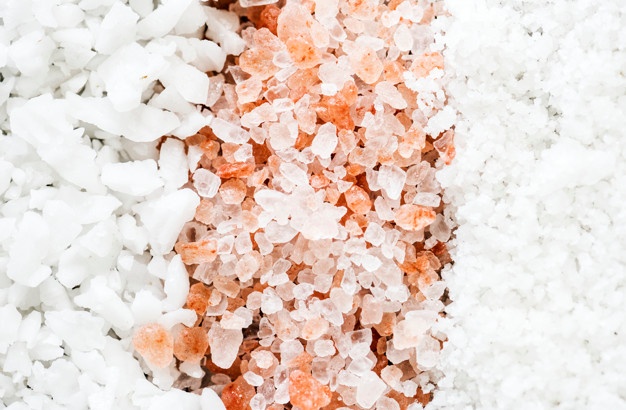
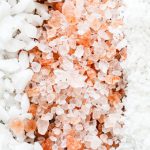
In recent years, a type of salt known as «Himalayan pink salt»—so named for its pink color—has become all the rage. There’s a lot of buzz about it online and in food forums. Today, we’ll tell you all about the benefits and properties of Himalayan pink salt.
Are the benefits of Himalayan pink salt real?
Increased energy levels, regulation of blood pH, reduced fluid retention, and even lower blood pressure… Many properties have been attributed to Himalayan pink salt; however, these are not significantly different from those of regular table salt.
Pink salt is a mineral that comes from the Khewra salt mine, located in Pakistan, specifically in the so-called Salt Range, an extension of the Himalayan mountains. It is one of the purest salt mines on the planet, due, among other reasons, to its privileged location near one of the world’s most famous mountains.
As we mentioned, various properties and applications—both therapeutic and cosmetic—have been attributed to it. It is said that, as a primary source of electrolytes, it improves the functioning of the body’s vital systems, but as we’ve noted, these claims are not based on any scientific evidence. The reality, in terms of composition, is that pink salt contains no more minerals than regular salt. Therefore, these benefits are merely a marketing strategy to sell Himalayan pink salt at a higher price. In short, if you want to save money, skip the fads and buy the «good old» salt. But if you’re in the mood to add a «chic» touch and a bit of color to your dishes, go ahead and use this unique salt.
Common Salt: Benefits or Harm?
There has been a lot of talk about common salt. So much so that misconceptions and stereotypes have developed around it. It’s true that you shouldn’t overdo your intake… But to what extent should we trust claims like “salt makes you fat” or “I don’t eat salt because I have high blood pressure”?
Table salt consists of 40% sodium and 60% chloride. Sodium is an essential nutrient that our body cannot produce on its own and must therefore be obtained through our diet. It helps maintain plasma volume, acid-base balance, and normal cell function, among other things. Sodium occurs naturally in foods such as milk, meat, and seafood. However, it is also found in large quantities in processed foods like bread, condiments, and sauces.
The rise in consumption of ultra-processed foods has also led to an increase in our salt intake. These types of foods are not only high in trans fats or sugars but also in salt. If these foods become the foundation of our diet, they will also become our primary source of sodium. This is the main drawback associated with salt—not table salt specifically, but the salt linked to the consumption of ultra-processed foods.
In a context where our diet is varied and balanced, rich in fruits and vegetables, and where consumption of ultra-processed foods is very occasional, the common table salt used to season our dishes poses no problem. On the other hand, if our diet is based on ultra-processed foods, sodium imbalances in our body could occur, leading to changes in blood pressure.
In summary…
High consumption of ultra-processed foods—and, consequently, of sodium or salt—leads to insufficient potassium absorption, which contributes to high blood pressure and increases the risk of heart disease and stroke. On the other hand, if we do not consume all the salt our body needs, we may face problems such as decreased insulin sensitivity, lipid abnormalities, or increased cardiovascular risks. To read more on this topic, click here.
The World Health Organization (WHO) recommends consuming less than 5 grams of salt per day. However, the maximum recommended intake for adults is determined based on energy needs. It is also advised that the salt consumed be iodized, that is, “enriched” with iodine. This is essential for pregnant women, the healthy development of the fetus’s and young child’s brain, as well as for optimizing overall mental function.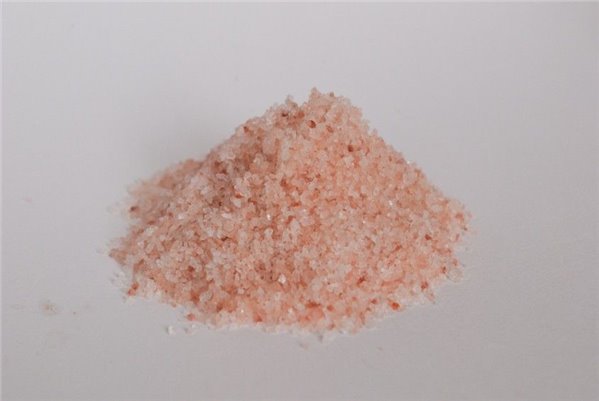
In short, the key to salt consumption lies in finding balance. You should aim to ensure that the sodium your body receives comes from common salt or table salt (or Himalayan pink salt if you prefer) and not from that contained in ultra-processed foods. Don’t let the salt craze get to you—add flavor to your dishes, but always in moderation.
You already know that at mentta you can find all kinds of products to shop for online. We have all kinds of seasonings and salts; and since we keep up with food trends, we carry several brands of pink salt. What are you waiting for? Get yours today!